PTE Score For NZ Residency
January 26, 2026


Thinking about moving to New Zealand? That’s great! It’s a beautiful country with a lot to offer. But like anywhere, there are steps you need to take, and one of them is proving your English skills. Many people are looking into the PTE Academic test for this, especially when it comes to residency applications. This guide will help you understand the PTE score for NZ residency and what you need to know to make your application smooth.
So, you’re thinking about making New Zealand your new home? That’s awesome! One of the big things Immigration New Zealand looks at is your English language ability. They need to know you can communicate clearly and effectively.
The Pearson Test of English (PTE) Academic is one of the main ways people prove their English skills for New Zealand residency. It’s a computer-based test that assesses your reading, writing, listening, and speaking. Why PTE? Well, it’s known for being pretty fast with results, and the scoring is done by AI, which means it’s supposed to be really fair and unbiased. Lots of universities and the government accept it, which is a big plus.
Here’s a quick look at what they generally expect:
It’s really important to check the most current requirements directly with Immigration New Zealand. Rules can shift, and you don’t want to be caught out with an outdated score. Getting this right from the start saves a lot of hassle later on.

So, what exactly is this PTE Academic test, and why does Immigration New Zealand give it the nod for residency applications? It’s designed to check how well you can use English in an academic setting, covering speaking, writing, listening, and reading.
Why is it accepted for NZ residency, though? Well, it’s pretty simple: New Zealand, like many countries, needs to know that people moving there, whether to study or work, can actually communicate effectively. PTE Academic is seen as a reliable way to measure that. All of New Zealand’s eight public universities accept it, along with polytechnics and other institutions. This widespread acceptance means that if you’re aiming for skilled migration, having a good PTE score can tick a major box for Immigration New Zealand.
Here’s a quick look at why it’s a popular choice:
The test is structured into three sections, and it really tries to mimic real-world academic tasks. You’ll find yourself doing things like summarising lectures, describing graphs, and responding to questions based on what you’ve heard. It’s pretty practical, actually.
Essentially, PTE Academic is accepted because it’s a modern, efficient, and widely recognised method for assessing English skills, making it a straightforward option for both educational institutions and immigration authorities in New Zealand.
So, you’re looking at getting residency in New Zealand and wondering about the PTE score. It’s not just a simple pass or fail; different situations call for different score levels. Immigration New Zealand (INZ) uses your PTE Academic score as proof that you can communicate well in English, which is pretty important for living and working there.
The exact score you need can vary depending on the specific visa category you’re applying for. For instance, if you’re aiming for the Skilled Migrant Category, the points you get for your English ability will be tied to your PTE score. Generally, higher scores mean more points, which is always a good thing when you’re trying to get ahead in a points-based system.
Here’s a general idea of what universities often look for, which can give you a clue about what INZ might consider for residency pathways:
While these are university benchmarks, they give you a good baseline. For immigration purposes, especially for skilled migration, demonstrating a strong command of English through a good PTE score can significantly boost your application. It shows you can integrate well into the workforce and society.
Think of your PTE score as a key that unlocks different doors. For some visas, a basic key might do, but for others, especially those leading to permanent residency or skilled work, you’ll need a more advanced key. Getting a higher score isn’t just about meeting a minimum; it’s about making your application as strong as possible.
It’s always best to check the specific requirements for the visa you’re interested in on the official Immigration New Zealand website, as these can be updated. But generally, aiming for a score of 65 or above will put you in a very good position for most skilled migration pathways.
So, you’re looking at the Skilled Migrant Category (SMC) Resident Visa for New Zealand? That’s a big step, and your English language skills play a part in it. For this pathway, Immigration New Zealand often looks for a certain level of English proficiency. While the SMC is a points-based system, and points come from things like your qualifications, work experience, and age, your English ability is a key factor.
A strong PTE score can significantly boost your chances of getting enough points for the Skilled Migrant Category visa.
Here’s a general idea of what’s usually expected, though it’s always best to check the latest requirements on the official Immigration New Zealand website:
It’s not just about hitting a number; it’s about proving you can function well in a New Zealand workplace and society. A good PTE score for NZ residency under the SMC shows you’re ready for that.
Remember, the points system for the Skilled Migrant Category can change. Always refer to the most current guidelines from Immigration New Zealand to make sure your PTE score for NZ residency application meets all the up-to-date criteria. Don’t rely on old information; things get updated, and you don’t want to miss out because of outdated details.
Getting a good PTE score for NZ residency is definitely achievable with the right preparation. Many people find that focusing on consistent practice across all four skills – reading, writing, listening, and speaking – is the way to go. This PTE score for NZ residency is a gateway, so putting in the effort now really pays off later.
When you’re applying for residency in New Zealand, it’s not just about your own English skills. If you’re bringing your partner or any dependent children along, they might also need to show they can get by in English. This is pretty standard for immigration applications, really. It helps make sure everyone can settle in okay and participate in life in New Zealand.
Immigration New Zealand looks at the English language ability of your partner and dependent children aged 16 and over. The requirements can vary depending on the specific visa you’re applying for, but generally, you need to demonstrate a certain level of English proficiency. This is often assessed through an English language test, and PTE Academic is one of the accepted options.
Here’s a general idea of what might be expected:
The specific PTE score needed for your partner and dependants will depend on the overall requirements of your visa application. It’s always best to check the official Immigration New Zealand website or consult with an immigration advisor to get the exact score you need to aim for.
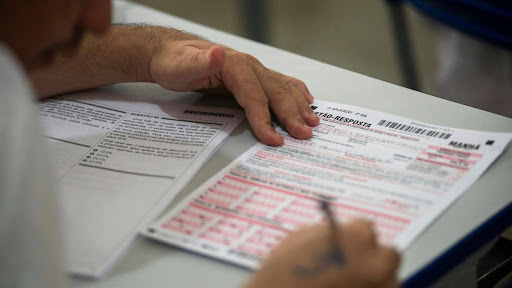
So, how does Immigration New Zealand actually look at your PTE score when you’re applying for residency? It’s not just about hitting a certain number; they have a system for it.
Basically, they want to see that you can communicate well enough to settle into life and work in New Zealand. This means they look at your overall score, but also how you did in the different sections.
Here’s a general idea of what they consider:
They use your PTE score as a way to gauge your ability to integrate into New Zealand society and the workforce. It’s a key part of proving you can handle the day-to-day communication needed.
Think of it like this: they’re not just ticking a box. They’re using the score to understand your practical English skills. If your score is too low in any area, or if it’s too old, it could cause problems for your application. It’s always best to check the latest requirements on the official Immigration New Zealand website before you book your test.
So, you’ve taken the PTE Academic and got a score you’re happy with. That’s great! But how long does that score actually stick around for your New Zealand residency application? It’s not like a fine wine that gets better with age; it actually has an expiry date.
Generally, your PTE Academic score is considered valid for two years from the date you took the test. This is pretty standard across the board for most countries and for purposes like studying or working. Immigration New Zealand follows this two-year rule for most of its visa pathways, including those that might lead to residency.
Here’s a quick rundown:
You can usually check your score validity directly through your Pearson account. Make sure you’re aware of the expiry date well in advance of submitting your residency application. It’s better to be safe than sorry, and retaking the test is never ideal when you’re so close to your goal.
So, you’re looking into getting residency in New Zealand and wondering about the English test situation. You’ve probably heard of both PTE Academic and IELTS. They both check your English skills, but they’re not quite the same, and knowing the differences can really help you pick the right one for your visa application.
PTE Academic is a computer-based test. It uses AI to score everything, including your speaking and writing. This means no human grader is involved, which some people find fairer because it removes any potential bias. IELTS, on the other hand, has a mix of computer-based and paper-based options, and it always includes a face-to-face interview for the speaking section, which is scored by a human examiner.
Here’s a quick look at some key distinctions:
When it comes to New Zealand residency, Immigration New Zealand accepts both PTE Academic and IELTS. The specific score you need will depend on the visa category you’re applying for. For instance, some skilled migrant pathways might require a certain IELTS band score, and you’ll need to find the equivalent PTE score. It’s not always a direct one-to-one conversion, so always check the official requirements for your specific visa.
If you’re comfortable with technology and want quick results, PTE might be your go-to. If you prefer a more traditional, human-interaction approach, IELTS could be better. Just make sure you check the exact score requirements for the New Zealand visa you’re aiming for, as they can vary.
So, you’ve booked your PTE test and are aiming for that New Zealand residency. That’s great! But sometimes, even with a good effort, applications can hit a snag because of the English language component. It’s not always about the score itself, but how it’s presented or if it meets all the specific requirements.
One big reason applications get flagged is when the PTE score doesn’t quite hit the mark for the specific visa category. Immigration New Zealand has different thresholds depending on what you’re applying for, whether it’s skilled migration or something else. It’s not a one-size-fits-all situation. You really need to check the exact score needed for your particular visa pathway.
Another common issue is the validity of the score. PTE scores are generally valid for two years, but Immigration New Zealand might have specific rules about how recent your score needs to be when you actually submit your application. If your test was taken too long ago, it might not be accepted, even if you got a great score.
Here are a few more things that can cause problems:
It’s really about paying close attention to the details. Immigration rules can be complex, and what seems like a small oversight on your part can have a big impact on your application’s success. Double-checking everything is key.
Sometimes, applicants might misunderstand the requirements for partners or dependents. If your partner or any dependants are included in your application, they might also need to meet certain English language requirements, which could be assessed through their own PTE score or other means. Failing to address this for everyone involved can cause issues. For more information on visa requirements, you might find resources on financial capacity helpful, as thorough documentation is always important.
So, you’ve taken the PTE Academic, and you’re wondering if that score is good enough to help you get residency in New Zealand. It’s a pretty common question, and honestly, it’s not as complicated as it might seem at first.
First off, you need to know what score Immigration New Zealand (INZ) is looking for. This isn’t a one-size-fits-all number, mind you. It really depends on the specific visa category you’re applying for. For instance, the Skilled Migrant Category often has different requirements than, say, a partner visa.
Here’s a general idea of what you might need:
The best way to be sure is to check the official Immigration New Zealand website. They have detailed information on all visa categories and their associated English language requirements, including the PTE Academic scores that are accepted.
Think of it like this:
Don’t just guess or rely on old information. Visa rules can change, and what was acceptable last year might not be this year. Always go straight to the source – Immigration New Zealand’s official website – to get the definitive answer for your situation. It saves a lot of potential heartache down the line.
If you’re unsure, it’s also a good idea to consult with a licensed immigration adviser. They can help you understand the requirements and ensure your application is complete and accurate.
First off, really get to know the PTE format. There are 20 different types of questions, and they all have their own way of being scored. Pearson, the company that makes the test, has official guides and practice tests. These are your best bet because they’re made using the same system as the real exam. Don’t waste time on unofficial stuff that might not be accurate.
Here’s a breakdown of what to focus on:
Finally, build your vocabulary. Read a lot – news articles, academic papers, anything. Keep a list of new words and how they’re used. The more words you know, the better you’ll do on all parts of the test.
Okay, so you’ve got the PTE test coming up for your New Zealand residency application, and you’re wondering how to really nail those scores. It’s not just about knowing English; it’s about knowing how to show it in the PTE format. Let’s break down some practical ways to boost your performance in each section.
The PTE test uses AI to score your responses, so it’s quite objective. While it’s designed to be fair, understanding how it works and practising specific question types can make a big difference. Don’t get too worried about minor errors; consistency and clarity are generally more important.
Remember, consistent practice is the name of the game here. Using official Pearson materials can give you a realistic feel for the test. Good luck!
Want to get better at speaking, writing, reading, and listening? These skills are super important for doing well in school and in life. We’ve put together some easy-to-follow tips to help you boost your scores in all four areas.
Yes, Immigration New Zealand accepts PTE Academic scores for various visa applications, including those for skilled workers and permanent residency. It’s a widely recognized test, so you can use your PTE score to show your English abilities for many different immigration pathways.
Yes, sometimes partners or dependants need to show their English skills too. While the main applicant’s score is key, your partner or older children might need to meet a minimum English level, which can also often be demonstrated with a PTE score. Check the specific requirements for your visa type.
When you apply, you’ll usually provide your PTE score report. Immigration New Zealand can verify these scores directly with Pearson, the company that runs the PTE test. They use this to confirm your English language ability meets the requirements for your chosen visa.
If your PTE score doesn’t meet the minimum requirement, don’t worry. You can focus on improving your English skills and retake the PTE test. There are many study materials and practice tests available to help you prepare and achieve a higher score. Sometimes, focusing on specific skills like speaking or writing can make a big difference.
To prepare well, start by understanding the PTE test format and scoring. Practice with official PTE materials and mock tests. Focus on all four skills: listening, reading, speaking, and writing. Many people find it helpful to practice speaking clearly and organising their writing. Online resources and preparation courses can also be very beneficial.


