What Is Normal Cholesterol Levels NZ: HDL vs LDL
February 11, 2026

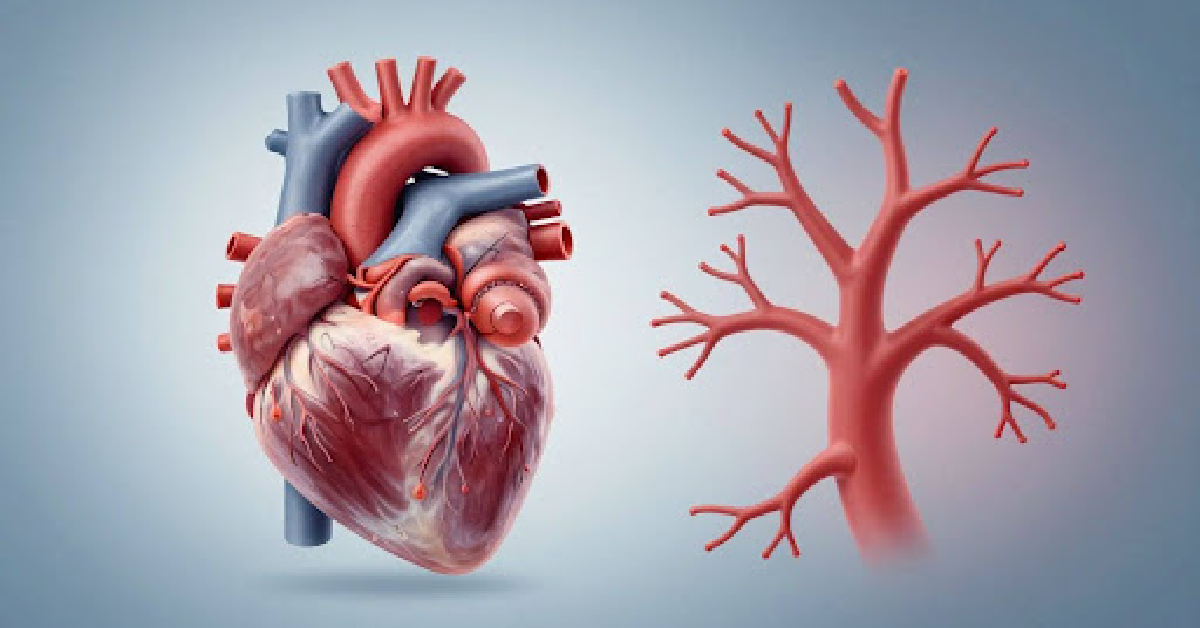
So, you want to know about cholesterol levels in New Zealand, huh? It’s one of those things that sounds complicated, but really, it’s just about keeping things in balance. We’ve all heard about ‘good’ and ‘bad’ cholesterol, but what do those numbers actually mean for you and your health right here in NZ? Let’s break down what are considered normal cholesterol levels NZ and why it matters for your well-being.
So, what exactly is cholesterol? Think of it as a waxy, fat-like substance that’s present in all your body’s cells. It’s not all bad, though! Your body actually needs cholesterol to do important jobs, like building new cells and making certain hormones. Your liver produces most of the cholesterol you need, but some also comes from the foods you eat, particularly animal products. It’s a bit like a building material for your body. For those in New Zealand, understanding what is normal cholesterol levels nz is crucial for maintaining good health. Without enough, things wouldn’t function right. However, like many things, too much can cause problems down the line.
When people talk about cholesterol, they usually mean one of two types, carried around in your blood by little packages called lipoproteins. These are:
It’s important to remember that cholesterol itself isn’t the enemy. It’s the balance between the different types and the overall amount that really matters for your health. Having a good ratio of HDL to LDL is key to keeping your blood vessels clear and your heart happy.

So, you’ve heard about cholesterol, but what do those numbers actually mean for you here in New Zealand? It’s not a one-size-fits-all situation, and understanding your personal readings is key. Your ideal cholesterol levels are determined by your individual risk of developing heart disease or experiencing a stroke. This information helps guide target cholesterol levels for better health management.
While there isn’t a single ‘normal’ number that applies to everyone, general guidelines exist. For adults without other significant risk factors for cardiovascular disease (CVD), a total cholesterol level below 5.5 mmol/L is often considered a good target. However, this is just a starting point. Your doctor will look at the bigger picture.
HDL, or high-density lipoprotein, is often called the ‘good’ cholesterol because it helps remove LDL from your arteries. In New Zealand, aiming for an HDL cholesterol level greater than 1.0 mmol/L is generally recommended for normal cholesterol levels nz. Higher levels are better here, as they indicate your body is doing a better job of clearing out the ‘bad’ stuff.
LDL, or low-density lipoprotein, is the ‘bad’ cholesterol. High levels can lead to plaque buildup in your arteries, increasing your risk of heart problems. For most people, the goal is to keep LDL cholesterol levels less than 2.0 mmol/L. If you have existing CVD, diabetes, or other risk factors, your doctor might aim for an even lower target, perhaps less than 1.8 mmol/L.
Triglycerides are another type of fat found in your blood. High triglyceride levels, especially when combined with high LDL or low HDL cholesterol, can also increase your risk of heart disease. A target level of less than 1.7 mmol/L for triglycerides is generally advised. normal cholesterol levels nz
Here’s a quick rundown of general targets in NZ:
It’s really important to remember that these are general figures. Your doctor will consider your age, family history, blood pressure, and other health conditions when determining what’s normal and healthy for you. A simple blood test, often called a lipid profile, is the only way to know your numbers.
Getting your cholesterol checked is a straightforward process, usually involving a blood test at your local lab or sometimes at your GP’s practice. Some pharmacies also offer testing services. If you’re concerned about your heart health or have a family history of high cholesterol, it’s always best to talk to your doctor about when you should get tested.

So, what makes our cholesterol numbers go up or down? It’s not just one thing, really. A bunch of stuff plays a role, some we can control, and some we just can’t. It’s kind of like trying to predict the weather – a lot of variables are involved.
Our diet and lifestyle choices significantly impact cholesterol. High intake of saturated/trans fats (fried foods, processed snacks) raises LDL (‘bad’ cholesterol). Conversely, a diet rich in soluble fiber (oats, beans, fruits) can help lower LDL.
Here’s a quick rundown of lifestyle factors:
It’s easy to think of cholesterol as just a number on a lab report, but it’s really a reflection of how well your body is functioning and the choices you make every day. Small, consistent changes can add up to significant improvements over time.
Now, for the things we can’t really change. Our genes play a part. If high cholesterol runs in your family, you might be more predisposed to it, even if you try your best with diet and exercise. It’s something to discuss with your doctor if you have a strong family history. Age is another factor. As we get older, our bodies, particularly our livers, become less efficient at clearing out that LDL cholesterol. So, even if you had great numbers in your younger years, they might start to creep up as you hit your 40s and beyond. Certain medical conditions, like diabetes or thyroid issues, and even some medications you might be taking for other things, can also influence your cholesterol levels. It’s a complex picture, for sure. Understanding normal cholesterol levels nz can be a good starting point.

Wondering when to get cholesterol tested? High cholesterol often shows no signs, making regular check-ups vital, especially with a family history of heart issues or as you age. Your cholesterol test results offer a snapshot of heart health. While doctors consider your age, lifestyle, and other conditions, general pointers exist. Consistently high total cholesterol over 5.5 mmol/L, or ‘bad’ LDL over 2 mmol/L (especially with risk factors like diabetes or heart disease), warrants a discussion. Low ‘good’ HDL below 1.5 mmol/L also needs discussion.
Here’s a quick rundown of when you should really be talking to your GP:
It’s easy to put off doctor’s appointments, but when it comes to your heart health, being proactive really pays off. Don’t wait for symptoms that might never appear; get informed and stay on top of your numbers.
Your doctor can help you understand what your specific numbers mean in the context of your overall health and create a plan if needed. This might involve dietary adjustments, increased physical activity, or, in some cases, medication.
Wondering if your cholesterol levels are a cause for concern? Knowing when to talk to a doctor is key to keeping your heart healthy. If you’re unsure about your numbers or have questions about managing your cholesterol, don’t wait to find out more. Visit our website for clear, easy-to-understand information that can help you take the next step in protecting your well-being.
A simple blood test, often called a lipid profile, can tell you your cholesterol levels. It checks your total cholesterol, HDL, LDL, and triglycerides. Your doctor will look at these numbers, along with other health factors, to figure out what’s best for you.
While general guidelines exist, what’s ‘normal’ can be different for everyone. For example, in NZ, doctors often aim for HDL cholesterol to be over 1.0 mmol/L, LDL cholesterol below 2.0 mmol/L, and triglycerides under 1.7 mmol/L. Your doctor will consider your personal health risks when looking at your results.
Unfortunately, high cholesterol usually doesn’t cause any noticeable symptoms. It’s often called a ‘silent’ condition. That’s why getting regular blood tests is super important, especially if you have a family history of heart problems or other risk factors.
Lots of things can play a role! Your diet is a big one – eating too much saturated fat and sugar can raise your cholesterol. Not being active enough, smoking, and carrying extra weight can also make a difference. Sometimes, though, your genes and age play a part too.