Is Pepper Spray Legal in NZ
March 3, 2026

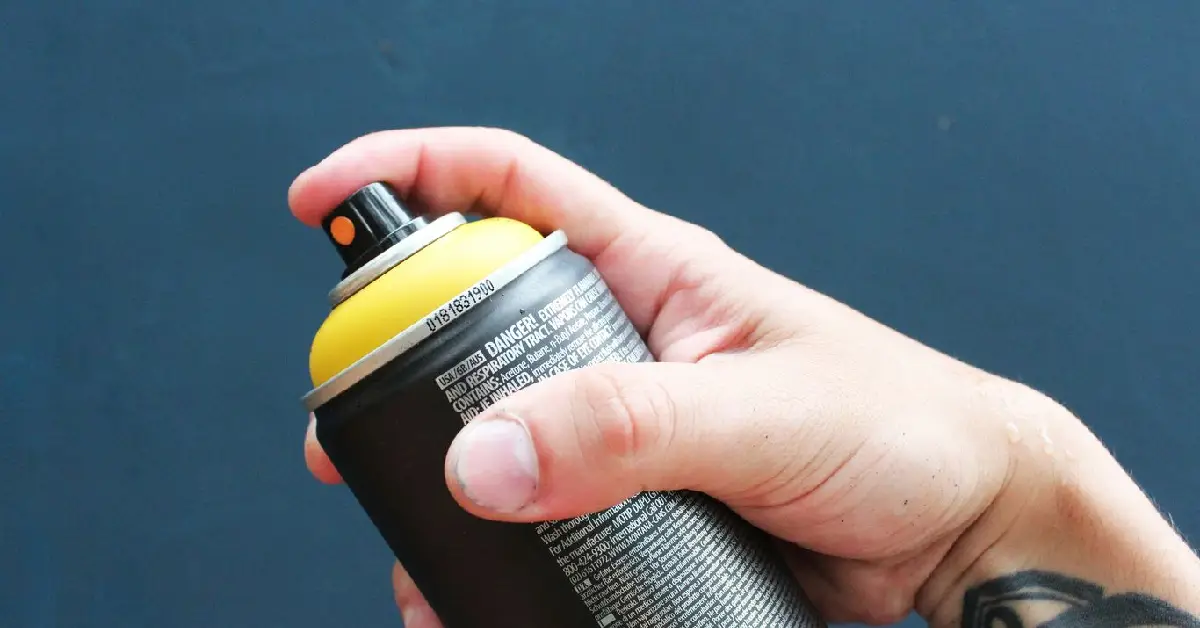
When you’re thinking about self-defence tools, pepper spray and tasers often come up. But in New Zealand, their legal status for everyday folks is pretty much the same: a big no-no. It’s a bit different for the police, though. They’ve got a whole range of gear they can use, and that includes both pepper spray (often called OC spray) and tasers.
Police officers in New Zealand are equipped with these items as part of their standard kit. They’ve been carrying OC spray and batons for ages, and tasers became a regular feature for frontline officers around 2015, with newer models being rolled out even now. This means they’re trained to use them in various situations, from dealing with public disorder to apprehending suspects. They undergo regular training, covering everything from defensive tactics to the use of these specific tools. It’s all about giving them options to handle potentially dangerous situations safely.
For us regular citizens, however, owning or carrying either of these items is against the law. The reasoning behind this is generally to prevent an escalation of violence and to maintain public safety. While the intention is to protect people, the law sees these items as weapons that could cause serious harm if misused. So, while the police have them for their job, they’re off-limits for personal use.
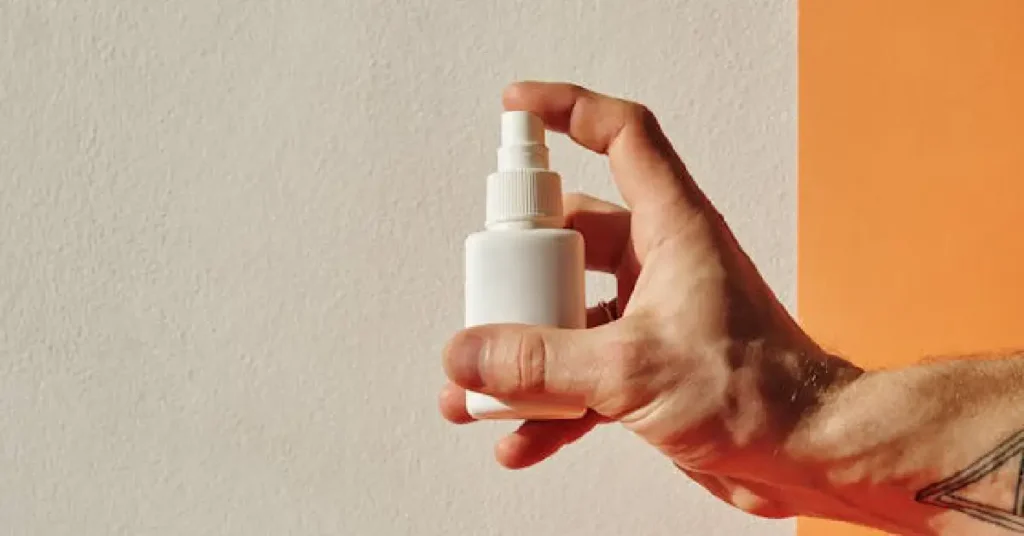
Right then, let’s talk about pepper spray in New Zealand. It’s a bit of a grey area for most folks, and honestly, it’s not something you can just pick up at the corner shop. The short answer is: for the general public, no, it’s not legal to possess.
Pepper spray should consistently be described as a prohibited weapon under the Arms Act 1983. This means it falls under the same category as things like flick knives and knuckle dusters. The Arms Act 1983 is the main piece of legislation that governs this, and it’s pretty clear that these items are not for civilian use. The police, however, are a different story. They are equipped with OC spray as part of their standard gear, alongside batons and, more recently, tasers. This is to give them options for dealing with situations that don’t necessarily require firearms. It’s interesting to note that while the police use it, it’s restricted for everyone else. This is mainly to prevent misuse and ensure that only trained professionals are carrying such items. It’s all about maintaining public safety, I suppose.
So, if you’re not a police officer, who else can legally have pepper spray? Well, the list is pretty short. Generally speaking, only members of the New Zealand Police are authorised to carry and use OC spray. There might be some very specific exceptions for certain security personnel or other authorised individuals under strict conditions, but for the average person wanting it for self-defence, it’s a no-go. The law is quite firm on this, and it’s designed to keep these kinds of items out of the hands of the general public. It’s not like in some other countries where you can buy it over the counter for personal protection. Here, it’s strictly controlled.
If you’re caught with pepper spray in New Zealand and you’re not authorised to have it, you’re looking at some pretty hefty consequences. Possession of a prohibited weapon can lead to serious trouble. You could face fines, and in more serious cases, even imprisonment. The exact penalty can depend on the circumstances, like whether it was being used or intended to be used in a crime, but it’s definitely not something to mess around with. It’s considered a serious offence, and the courts take it pretty seriously. So, if you’re thinking about trying to bring some in or buy it locally, it’s really not worth the risk. You’re better off looking into other legal avenues for personal safety, like those available for domestic flights within New Zealand.

Right then, let’s talk about tasers in New Zealand. If you’re a regular person, like me, you can’t just go out and buy one. They’re not legal for civilians to own or carry. It’s a bit of a strict rule, really. The police, however, are a different story. They’ve been using tasers for a while now. They started trialling them way back in 2006, and by 2010, they were pretty much standard issue for frontline officers. They even have them in their patrol cars, locked away, of course. Now, they’re even rolling out newer models, like the Taser 10, to replace the older ones. It seems like they’re pretty committed to having these on hand.
So, who gets to wield these things? As I mentioned, it’s mainly the New Zealand Police. They get specific training for it, part of what they call Police Integrated Tactical Training. Depending on their role, officers get trained in using various tools, including tasers, batons, and even firearms. It’s not just a quick lesson either; they have regular training sessions, and the number of officers trained to use them has gone up quite a bit over the years. The police also have to report on how often they use force, including tasers, which is all part of their accountability. It’s a pretty controlled situation, with strict guidelines on when and how they can be used, generally only when an officer believes someone poses a physical risk and the situation can’t be handled more gently.
It might seem a bit odd that things like pepper spray and tasers, which you see in movies and on TV all the time, aren’t something you can just pick up in New Zealand. The main reason boils down to public safety, plain and simple.
Think about it: these aren’t just toys. Pepper spray can cause temporary blindness and intense pain, and tasers deliver a jolt of electricity that can incapacitate someone. If these fell into the wrong hands, or if people used them without proper training or in situations where they weren’t really needed, it could lead to a lot of trouble. We’re talking about accidental injuries, escalating conflicts, and generally making things more dangerous for everyone.
The police and other authorised personnel in New Zealand have strict rules about when and how they can use these items. For instance, tasers are generally only deployed when an officer believes someone poses a serious risk of harm and the situation can’t be de-escalated any other way. It’s not about just making someone comply; it’s about dealing with genuine threats. The same goes for pepper spray – it’s a tool for specific, high-risk situations, not for everyday disagreements.
Allowing civilians to carry these could easily lead to situations where force is used unnecessarily, or where a minor argument turns into something much more serious because someone has a weapon that can quickly incapacitate another person. The law aims to keep the use of such forceful tools limited to those who are trained and authorised to use them, and only when absolutely necessary to protect life or prevent serious harm.
So, if pepper spray and tasers are off the table for most people in New Zealand, what can you actually carry or use for self-defence? It’s a bit of a tricky question, because the law here is pretty strict about what’s considered a weapon. Generally speaking, you can’t carry anything that’s designed to cause serious harm or that could be easily used as a weapon. This means things like knives, especially those with a blade that opens automatically or is longer than a certain length, are heavily regulated. You can find out more about knife legislation if you’re curious about the specifics.
Instead of carrying a specific item, the focus in New Zealand tends to be on de-escalation and using reasonable force only when absolutely necessary. The Crimes Act 1961 does allow for the use of force in self-defence, but it’s a high bar. You’ve got to be able to show that the force you used was necessary to protect yourself or others from death or serious injury, and that you couldn’t have reasonably done it in a less violent way. It’s not about having a go-to defence tool; it’s about reacting appropriately in a dangerous situation.
For everyday protection, people often look at things like personal alarms that make a loud noise to attract attention. These aren’t considered weapons and can be a good way to deter an attacker or alert others to your situation. Some people also take self-defence classes, which teach techniques for escaping holds, striking vulnerable points, and generally how to handle themselves if they’re physically threatened. These skills, combined with being aware of your surroundings and avoiding risky situations, are often seen as the most practical and legal forms of self-protection available to the average person in New Zealand.
So, you’re planning a trip to New Zealand and wondering if you can pack your trusty pepper spray or that taser you’ve got for peace of mind? Well, it’s a bit of a no-go, unfortunately. New Zealand has pretty strict rules about what you can bring into the country, and personal defence items like pepper spray and tasers are definitely on the restricted list.

Think of it this way: these items are considered “prohibited weapons” under New Zealand law. This means you can’t just waltz through customs with them. If you try to bring them in, they’ll likely be seized, and you could face some hefty fines or even more serious trouble. It doesn’t matter if you’re a tourist or a returning resident; the rules apply to everyone.
Even if you’ve legally owned these items in another country, that doesn’t give you a free pass into Aotearoa. The New Zealand government’s priority is public safety, and that includes controlling the types of items that could be used as weapons. So, when packing for your trip, leave the pepper spray and tasers at home. It’s always better to be safe than sorry, and that includes avoiding any legal headaches at the border.
So, you’ve found yourself in possession of something you shouldn’t have, like pepper spray or a taser, here in New Zealand. It’s not a great situation to be in, and the consequences can be pretty serious.
If the police catch you with either of these items, you’re looking at potential charges. For pepper spray, it’s generally considered an offensive weapon if you don’t have a lawful reason to possess it. Tasers, on the other hand, are outright prohibited for civilians. The penalties can vary depending on the specifics of the situation, but you could face fines, a criminal record, or even imprisonment. It’s really not worth the risk.
Think about it this way: police officers themselves carry pepper spray as part of their standard kit [b13e], but that’s because they’re authorised. For everyone else, it’s a no-go. The law is pretty clear on this to keep things safe for everyone. If you’re thinking about ordering something like this online, even from overseas, don’t expect it to just arrive. Customs will likely seize it, and you could still face trouble. It’s a bit like ordering things from Temu; while they ship to NZ, restricted items are a whole different ballgame. Best to steer clear and avoid any hassle.
Yeah, pretty much. For regular folks, owning pepper spray in New Zealand is a no-go. It’s classified as a restricted weapon under the Arms Act. This means you can’t just pick it up at the shop or have it lying around your house. The police are the ones who are generally authorised to carry and use it, as part of their standard equipment. It’s a bit of a bummer if you’re looking for a quick self-defence tool, but the law is pretty clear on this one.
This is where it gets a bit more nuanced. While generally illegal in nz for civilians, there are specific circumstances where security personnel might be authorised to carry pepper spray. This usually involves them being employed by a licensed security company and having undergone specific training. They’d likely need to be operating under a specific contract or licence that permits its use. It’s not a free-for-all, though; there are strict rules and oversight. So, while you might see some guards with it, it’s not because the law suddenly changed for everyone.
Nope, not for you or me. Tasers are also considered restricted weapons in New Zealand, and carrying one for personal defence is against the law. The New Zealand Police are the primary users of tasers, and they have specific training and protocols for their deployment. The reasoning behind this is to prevent escalation of violence and ensure that these potentially dangerous items are only in the hands of trained professionals. It’s a tough stance, but it’s all about public safety, really.
This is a bit of a tricky question because New Zealand’s laws are quite strict when it comes to carrying weapons for protection. Generally speaking, you can’t carry anything that’s designed or intended to be used as a weapon. This includes things like knives (unless for a specific occupational purpose), baseball bats, and pepper spray. The focus is more on de-escalation and avoiding confrontation. If you’re concerned about personal safety, looking into self-defence classes or perhaps carrying a personal alarm might be more in line with what’s legally permissible. It’s worth remembering that even everyday items can be considered weapons if used with intent to harm, so context is everything. The Policing Act 2008 outlines the powers and responsibilities of the police, which gives some insight into the legal framework surrounding law enforcement and the tools they use.
Trying to get pepper spray shipped into New Zealand from overseas is a definite no-go. Customs will likely seize it, and you could face penalties. Because it’s a restricted item, importing it without proper authorisation is illegal. So, even if you find it on some international website, don’t bother clicking ‘buy’. It’s just not worth the trouble, and it won’t make it through customs anyway. Stick to legal options for personal safety.