How Many Sheds Can I Have on My Property NZ: Full Rules
January 9, 2026


Thinking about adding a shed to your place in New Zealand? It’s a common question, and the rules around how many you can have and where you can put them can be a bit confusing. We’ve all seen those handy garden sheds, workshops, or even sleepouts, but what’s actually allowed? Well, there have been some changes recently that might make things a lot simpler for homeowners. Let’s break down how many sheds can I have on my property NZ, looking at the current situation and what’s coming up.
So, you’re wondering about how many sheds can I have on my property NZ, right? It’s a question many homeowners grapple with, especially when looking to maximise their outdoor space. The good news is that recent changes to New Zealand’s building regulations are making it a bit simpler to add these structures.
The key takeaway is that for many smaller sheds, you might not need a building consent at all. This is a big shift from the old rules, where even a small garden shed often had to be a certain distance from your property boundary, usually equal to its height. Imagine a 2-metre tall shed needing to be 2 metres away from the fence – it could really limit placement, particularly on smaller sections.
Here’s a quick rundown of what you generally need to know:
It’s important to remember that even if a building consent isn’t needed, your shed still needs to be built safely and comply with the New Zealand Building Code. Also, your local council might have its own rules about things like height, appearance, or placement, especially in specific zones.
Understanding how many sheds can I have on my property NZ is really about understanding these exemptions and local rules. It’s not just about the number of sheds, but also their size, placement, and intended use. We’ll explore these factors in more detail in the following sections, so you can get a clear picture of how many sheds can I have on my property NZ for your specific situation.
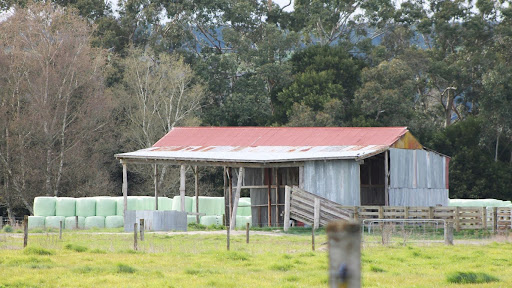
Right then, let’s talk about where you can actually put your shed. It’s not just about picking a spot and digging in, unfortunately. Your local council’s district plan is a big deal here, and it’s all tied up with zoning. Think of zoning as the council’s way of dividing up the land and saying what can and can’t happen where. So, a residential zone will have different rules from a rural or industrial one, obviously.
The main thing to remember is that your council’s district plan can put its own spin on things, even if the national building rules are relaxed. This means that while you might be able to build a shed closer to the boundary under new national rules, your local council might still have specific requirements about where it can go, or even how many you can have.
Here’s a quick rundown of what zoning might influence:
It’s really important to get a handle on your specific zone. You can usually find this information on your local council’s website. They’ll have maps and documents that detail the rules for your area. Don’t just guess; a quick call or a look at their online planning maps can save you a heap of trouble down the line.
The district plan is your local rulebook for what you can do with your land. It’s created by your local council and covers everything from where you can build to what you can build. Always check this first before you start planning your shed project.
When you’re thinking about adding a shed to your place in New Zealand, the size of the structure is a pretty big deal. It’s not just about how much stuff you can cram inside; it actually affects the rules you need to follow, especially when it comes to placing it near your property boundaries.
Generally, smaller sheds have fewer restrictions. This is the main takeaway. If your shed is on the smaller side, you’ve got a lot more flexibility. For those tiny garden sheds or tool storage units, anything up to 10 square metres, you can often build them right up to your boundary line without needing a building consent. That’s a massive change from how things used to be, where you often had to keep them a certain distance away, equal to their height.
But it’s not just a free-for-all. Even for these small sheds, there are still a few conditions:
What about slightly bigger sheds? If you’re looking at something between 10 and 30 square metres, the rules loosen up a bit compared to the old days, but not as much as the tiny ones. You’ll likely need to keep these sheds at least 1 metre away from your property boundary or any other buildings on your site. This is still a big improvement, as previously, the distance often had to match the shed’s height, which could be quite significant.
Here’s a quick rundown of the size thresholds:
| Shed Size (Floor Area) | Boundary Setback (Typical) | Building Consent Needed? (General Rule) |
| Up to 10 m² | Often 0 metres (right on the boundary) | Usually No |
| 10 m² to 30 m² | Typically 1 metre | Usually No |
| Over 30 m² | Varies significantly, likely requires consent | Likely Yes |
Remember, these are general guidelines based on recent changes. While the rules for smaller sheds are quite clear, always double-check with your local council. They have their own district plans that might have specific rules about things like appearance, height, or placement in certain areas, even if a building consent isn’t required for the size alone. It’s always better to be sure than to have to move your new shed later.
Right then, let’s talk about building consent for sheds in New Zealand. It used to be a bit of a headache, but things have been changing, which is good news for most of us. The main idea is that for smaller, simpler sheds, you often don’t need to go through the whole building consent process.
Generally, if your shed is under 10 square metres, you can usually build it without needing a building consent, provided it’s not used for living in and doesn’t have plumbing or electricity connected. This is a big one, as it covers a lot of those handy garden sheds or storage units. For sheds between 10 and 30 square metres, the rules have also become more relaxed regarding how close they can be to your property boundary. Previously, you might have had to keep a shed a distance away equal to its height, which was tricky on smaller sections. Now, for sheds in that 10-30m² range, you might only need to be one metre away from the boundary, as long as other conditions are met.
Here’s a quick rundown of what usually qualifies for consent exemption:
It’s important to remember that even if you don’t need a building consent, your shed still needs to be built safely and meet the New Zealand Building Code. Think of it like this: the council trusts you to build a safe shed yourself if it’s small and simple, but they still expect it to be structurally sound.
Always, always double-check with your local council. While the national rules are getting simpler, your specific area might have extra requirements, especially if you’re in a special zone like a coastal area or a historic place. It’s better to ask them first than to have to move your brand-new shed later.
Right then, let’s talk about where you can actually plonk your new shed. It’s not just about having the space, is it? You’ve got to think about the edges of your property and how tall the thing is going to be. For ages, the rule was pretty straightforward, if a bit annoying for those with smaller sections: your shed had to be as far away from the boundary line as it was tall. So, a 2-metre shed needed a 2-metre gap. That often meant the only spot left was right in the middle of the garden, which wasn’t always ideal.
But here’s the good news, and it’s a biggie. Recent changes to the Building Act have shaken things up, making it much simpler. For sheds up to 10 square metres, you can now build them right up to your boundary line. Yep, you read that right. No more worrying about that height-to-distance rule for these smaller ones. It’s a game-changer for making the most of your section.
What about slightly bigger sheds, then? If your shed is between 10 and 30 square metres, the distance requirement has been slashed down to just 1 metre from the boundary. So, you’ve got a bit more wiggle room there, too, which is handy.
Here’s a quick rundown of the main points:
Remember, even with these relaxed rules, your shed still needs to be built safely and comply with the New Zealand Building Code. These changes mainly affect the placement and the need for building consent for smaller structures, not the overall safety standards.
So, while the height of the shed itself doesn’t directly dictate the number of sheds you can have, it does influence where you can put them, especially concerning those boundary lines. Always have a quick look at your local council’s district plan, just in case any specific local rules might apply, particularly in special zones like coastal areas or places with historical significance.
Right then, let’s chat about how where you live in New Zealand can actually make a difference to how many sheds you can pop up in your garden. It’s not just a one-size-fits-all situation, you see.
Generally speaking, urban properties tend to have stricter rules than rural ones, mainly due to closer neighbours and smaller section sizes. This means that while you might have a bit more freedom on a larger rural block, city dwellers often need to be more mindful of council regulations and neighbourly considerations.
Here’s a quick breakdown of what you might find:
It’s always worth remembering that even with relaxed national rules, your local council’s district plan is the ultimate guide. What’s allowed in one town might be different just a few kilometres away, especially when you’re comparing a dense city suburb to a sprawling country estate.
So, while the new regulations are making things easier across the board, don’t forget to factor in your specific location. A quick call to your local council or a look at their online planning maps can save you a lot of hassle down the track. It’s all about making sure your shed plans fit with the neighbourhood vibe and the local bylaws.
Right then, let’s talk about what you’re actually going to do with your shed. It turns out, the intended use can actually make a difference to the rules, especially when it comes to building consent.
Generally speaking, if you’re just after a place to stash your lawnmower, garden tools, or maybe even a bit of firewood, you’re probably in the clear for consent-free building, provided it’s under 10 square metres. These are your classic garden sheds and utility buildings. They’re seen as low-risk additions to your property.
However, things get a bit more complicated if you start thinking about using your shed for anything more substantial. For instance, if you’re planning a workshop where you’ll be doing a lot of DIY, or a sleepout for guests (even if it’s just occasionally), the rules can change.
Here’s a quick rundown:
The key thing to remember is that the law distinguishes between simple, detached structures and those intended for living or regular occupation. Even a small sleepout, if it’s designed for people to stay in overnight, will likely fall outside the standard consent exemptions.
So, while you might be able to have a couple of small, simple storage sheds dotted around your property without much fuss, trying to get away with a sleepout or a fully kitted-out workshop without checking the rules could land you in hot water. Always be honest with your local council about what you intend to use the structure for. It’s better to ask first than to have to pull something down later.
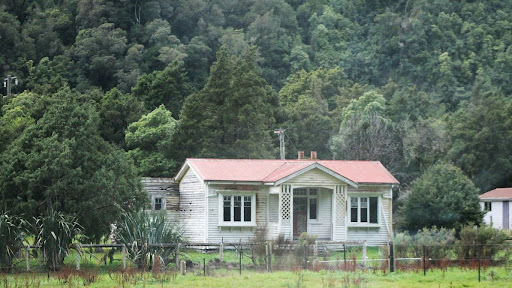
Right then, let’s get down to brass tacks and look at some real-world situations for sheds in New Zealand. It’s not always a one-size-fits-all answer, is it? What works for a sprawling farm property won’t cut it for a compact suburban section.
Imagine you’ve got a standard suburban house with a decent-sized garden. You just need a place to stash your mower, some gardening tools, and maybe the kids’ bikes. You’re looking at a shed that’s, say, 3 metres by 2.5 metres. That’s 7.5 square metres – nice and snug under the 10m² limit.
The key takeaway here is that for these smaller, non-habitable structures, the red tape has been significantly cut. It’s about making it easier for everyday Kiwis to get the storage they need without a heap of hassle.
Now, let’s say you’re a bit more ambitious. Perhaps you want a workshop for your woodworking projects, or a larger storage space for outdoor furniture and equipment. You’re eyeing up a shed that’s 5 metres by 4 metres – that’s 20 square metres.
Here’s a quick rundown:
| Shed Size (m²) | Old Boundary Rule (approx.) | New Boundary Rule (approx.) | Consent Needed? (General) |
| Up to 10 | Height = Distance | 0 metres (up to boundary) | Usually No |
| 10 – 30 | Height = Distance | 1 metre | Usually No (check specifics) |
| Over 30 | Varies (likely consent) | Varies (likely consent) | Likely Yes |
Remember, these are simplified examples. Always, always check with your local council. They’re the final word on what you can and can’t do in your specific area. Rules can vary based on zoning, heritage overlays, or specific neighbourhood plans. It pays to have a quick chat with them before you buy or build.
Curious about how many sheds you can legally place on your property in New Zealand? Our section, “8. Practical Examples: Real Scenarios Showing How Many Sheds Can I Have on My Property NZ,” breaks down real-life situations to help you understand the rules. We explore common scenarios to give you a clearer picture. For more detailed advice and to see how these examples apply to your specific situation, visit our website today!
Generally, you can have multiple sheds, but the exact number and their placement depend on your local council’s rules and the size of each shed. For smaller sheds (under 10 square metres), you can often place them right up to your property boundary without needing special permission. For larger sheds (between 10 and 30 square metres), you’ll usually need to keep them at least 1 metre away from the boundary.
For sheds under 10 square metres, you typically don’t need building consent, as long as they are single-storey, not used for living in, and don’t have plumbing or complex electricals. For sheds between 10 and 30 square metres, you might not need consent if they are kept 1 metre from the boundary and meet other conditions. Always check with your local council, as they might have their own specific rules.
Yes, you can often build a shed under 10 square metres right up to your property boundary without needing consent. For sheds between 10 and 30 square metres, the rule is now generally 1 metre away from the boundary. It’s always a good idea to have a friendly chat with your neighbour beforehand, though!
Recent changes mean that for sheds under 10 square metres, the distance you need to keep from your boundary has been removed entirely – you can build right up to it. For sheds between 10 and 30 square metres, this distance has been reduced to just 1 metre. These changes aim to make it easier and cheaper to add sheds.
Yes, the use of the shed is important. The relaxed rules mainly apply to sheds used for storage, hobbies, or workshops. If you plan to use a shed as a sleepout, for cooking, or as a dwelling, it will likely require a full building consent and won’t be covered by these simpler exemptions.
Even with the new rules, your local council’s district plan is still key. Areas like coastlines, historical zones, or places prone to flooding might have extra restrictions on building size, look, or where you can place structures. You’ll need to check your council’s specific planning maps or contact them directly to be sure.