How Much Are Cigarettes in NZ?
March 5, 2026

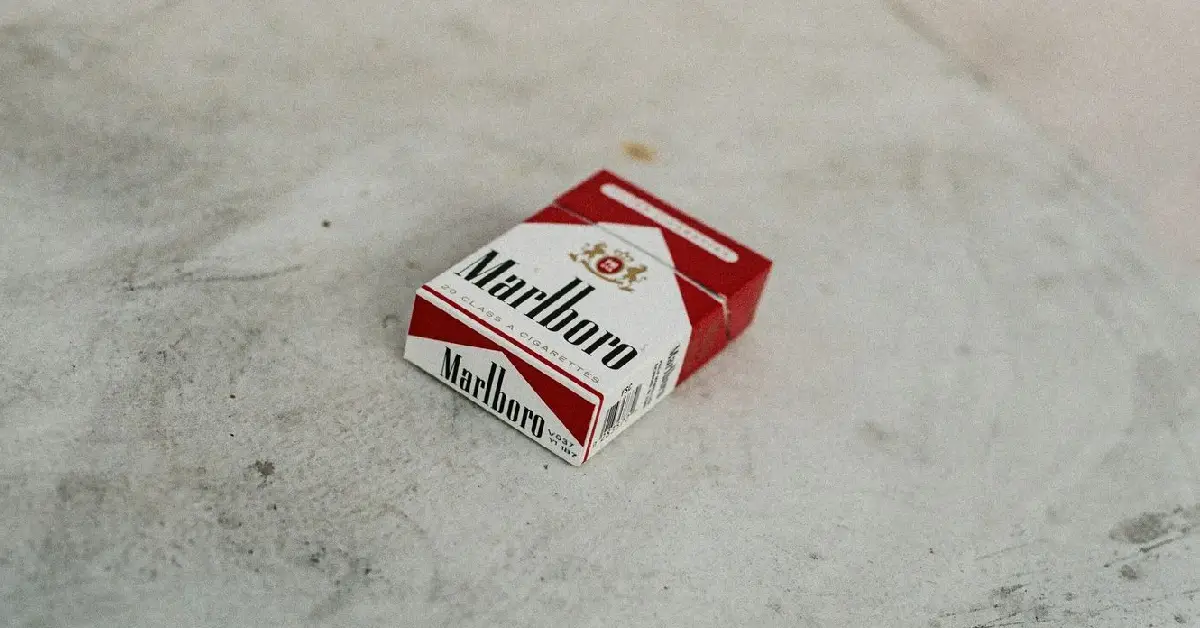
Right then, let’s get straight to it. If you’re wondering about the cost of cigarettes in New Zealand right now, it’s not exactly pocket change. We’re talking about some of the highest prices globally, honestly. For a standard pack of 20, you’re generally looking at prices upwards of NZ$30, and sometimes even more depending on the brand and where you pick them up. It’s a significant chunk of money, and it’s been on the rise for a good while now.
New Zealand consistently ranks among the priciest places for smokers worldwide. For instance, a pack of 20 Marlboros could easily set you back around NZ$40 or more. This isn’t just a random fluctuation; it’s a deliberate outcome of government policies aimed at reducing smoking rates. So, while you might be able to find cheaper goods from places like Temu if you’re looking for other items, cigarettes are a different story entirely. The price reflects a combination of heavy taxes, import costs, and retailer markups, all designed to make smoking less accessible. It’s a tough reality for smokers in Aotearoa.
Anyone keeping an eye on the price of cigarettes in New Zealand knows how quickly things change. With tax increases nearly every year, it’s not surprising many people are looking for updated price estimates as we get into 2026. Prices here are now among the highest in the world, only just behind places like Australia and the Marshall Islands. According to recent info, a standard 20-pack is now approaching £17.24, which is around $34 NZD, and that’s not even the premium stuff. Of course, these prices can jump even more depending on brand and where you shop. The 2026 excise duty bump of 2.96% just made things steeper and has everyone watching their wallets see the most recent rate change.
Now, not every shop offers 10-packs, but when they do, they’re little comfort if you’re trying to save money. A typical 10-pack costs about half of the 20, but when you actually look at the price per smoke, it’s always higher. Here’s a fresh estimate for 2026:
| Brand | 10 Pack Price (NZD) | Price per Cigarette (NZD) |
| Budget Brand | $17.50 | $1.75 |
| Mid-Range | $18.90 | $1.89 |
| Premium | $20.00 | $2.00 |
Sure, having the option to buy a smaller pack can feel like a relief when payday is still days away. Still, those cents add up fast, especially if you’re a regular smoker.
This is the standard pack you’ll see most smokers with. By the time you read this, a 20-pack from a budget brand is likely costing you somewhere around $34—sometimes a bit less in supermarkets, but never by much. Here’s what 2026 prices are looking like right now:
| Brand | 20 Pack Price (NZD) | Price per Cigarette (NZD) |
| Budget Brand | $34.00 | $1.70 |
| Mid-Range | $36.50 | $1.83 |
| Premium | $40.00 | $2.00 |
Most folks still stick with 20s, even though buying a whole pack stings the bank card. The price difference per cigarette between 10s and 20s might not look huge, but over weeks and months, it really makes a dent. And don’t expect these prices to stand still; they’ll shift again when the next tax hike arrives.
Right then, let’s get down to brass tacks about why popping down to the shop for a pack of smokes in New Zealand feels like you’re buying a small luxury item. It’s not just a random price hike, you know. There are several big reasons why those little white sticks cost so much.
This is probably the biggest player in the game. The New Zealand government slaps a hefty excise tax on tobacco products. It’s a deliberate move, really, to make smoking less appealing and, hopefully, get people to quit. They’ve been steadily increasing these taxes year after year. It means a good chunk of what you pay at the counter isn’t even for the cigarettes themselves, but for the taxman. It’s a pretty common tactic worldwide, with countries like Australia and the UK also having high taxes to discourage smoking. The idea is that the higher the price, the fewer people will buy them, and the money generated can go towards health initiatives.
Beyond the government’s cut, the shops that sell you cigarettes also need to make a profit. Think about it – they’ve got rent to pay, staff to employ, and all the usual business costs. So, they add their own markup on top of the wholesale price. This can vary a bit depending on the type of store. You might find that a small corner shop has different pricing to a larger supermarket chain, though the tax element will be the same everywhere. It’s just part of the supply chain, really.
New Zealand has been pretty serious about its smokefree goals. They’ve brought in a whole raft of policies aimed at reducing smoking rates. This includes things like plain packaging, restrictions on where you can smoke, and, of course, those ever-increasing taxes we just talked about. These policies aren’t just about making cigarettes expensive; they’re part of a broader public health strategy. The government wants to create an environment where smoking isn’t the norm, and making it financially difficult is a big part of that. It’s a long game they’re playing to improve the nation’s health.
New Zealand is, well, an island nation. Getting anything into the country, including tobacco, isn’t exactly cheap. There are shipping costs, import duties, and all the logistics involved in bringing goods halfway across the world. These costs get passed on to the consumer. For remote places, like the Marshall Islands, these supply costs can be astronomical, but even for a country like New Zealand, it adds up. It’s another factor that contributes to the final price tag you see on a pack, making it harder to find cheap houses for sale in Auckland under $500,000, let alone cheap cigarettes.
You might think a pack of cigarettes is a pack of cigarettes, no matter where you buy it. But, like most things, the price can actually shift a bit depending on where you pop into to grab them. It’s not a massive difference, mind you, but it’s there.
Supermarkets often have competitive pricing because they’re trying to get you to buy other things while you’re there. They might not have the absolute lowest prices on cigarettes compared to a specialist tobacco shop (if you can find one!), but they’re usually pretty standard. You’re unlikely to find huge bargains, but you also won’t get ripped off.
These are the corner shops, the dairies, the places you duck into for a quick grab. Because they have higher overheads for their location and often operate longer hours, you might find prices are a little bit higher here than in a big supermarket. They’re convenient, sure, but that convenience often comes at a small premium.
Similar to convenience stores, petrol stations often have slightly marked-up prices. They know people are stopping for fuel and might need a quick top-up of cigarettes at the same time. The prices here tend to be in the same ballpark as convenience stores – not the cheapest, but handy if you’re already there filling up your car.
When you’re looking at cigarette prices in New Zealand, it’s not just the total cost of the pack that matters, but also what you’re paying for each individual cigarette. Often, buying in larger quantities seems like the way to go, but does that always hold true?
Let’s break it down. Generally, you’ll find that a 20-pack of cigarettes works out cheaper per stick than a 10-pack. This is a pretty common pricing strategy across many consumer goods – buying in bulk often gives you a better unit price. Retailers and manufacturers tend to offer a slight discount when you purchase more items at once.
For example, if a 10-pack costs $25, that’s $2.50 per cigarette. If a 20-pack of the same brand costs $45, then each cigarette works out at $2.25. See? A small saving per cigarette, but it adds up.
This difference might seem small, but over weeks and months, those savings can become noticeable. It’s worth doing the quick maths when you’re at the shop to see which option gives you more bang for your buck. While the upfront cost of a 20-pack is higher, the cost per cigarette is usually lower, making it the more economical choice if you’re a regular smoker. It’s a bit like buying groceries; sometimes the larger size is just better value. You can find more details on specific brand prices to do your own comparisons, which might help you make a more informed decision about your purchases.
It’s no secret that cigarettes in New Zealand have been getting pricier for a while now. If you’ve been a smoker here for the last five years, you’ve probably noticed the steady climb in costs. It’s not just a small jump here and there; it’s a consistent upward trend that’s made lighting up a more expensive habit.
Looking back, say to around 2021, a pack of 20 cigarettes might have set you back roughly NZ$25 to NZ$30. Fast forward to today, and you’re likely looking at prices closer to NZ$35 to NZ$40, sometimes even more depending on the brand and where you buy them. This isn’t a sudden shock; it’s part of a longer-term strategy by the government to discourage smoking.
We’ve seen annual increases, often tied to budget announcements or specific tobacco tax hikes. For instance, a few years ago, a significant tax increase might have added a dollar or two to every pack overnight. These aren’t isolated incidents; they’re planned steps. The aim is pretty clear: make smoking less affordable, hoping people will quit or never start. It’s a global trend, really, with countries like Australia and the UK also seeing similar price hikes over the years. New Zealand is definitely keeping pace with, if not leading, some of those efforts in our corner of the world. So, while the exact figures fluctuate, the direction has been consistently upwards, making it a significant financial consideration for smokers in Aotearoa.
Right then, let’s talk about the real cost of lighting up in New Zealand. It’s not just about the price of a single pack, is it? When you add it all up over a year, it can really start to sting.

New Zealand is known for having some pretty steep prices when it comes to cigarettes, and that’s largely down to taxes and government policies aimed at discouraging smoking. We’re talking about a country where a pack of 20 can easily set you back around NZ$30 or more, depending on the brand and where you buy it.
So, if you’re a regular smoker, say you get through a pack every couple of days, that’s roughly 180-200 packs a year.
Let’s do some rough maths. If a pack costs, on average, NZ$35, then 180 packs would be $35 x 180 = $6,300. If you’re a heavier smoker, maybe a pack a day, that’s 365 packs a year. So, $35 x 365 = $12,775.
It’s a hefty sum, isn’t it? That’s a significant chunk of change that could be going towards holidays, home improvements, or just saving up for something nice. It really puts into perspective how much this habit can drain your wallet over time. And that’s before we even think about the potential healthcare costs down the line, which are a whole other story.
Right then, let’s talk about what else you can do if you’re looking for something other than traditional cigarettes in New Zealand. It’s a bit of a minefield out there, and honestly, the prices for cigarettes are pretty steep, aren’t they? So, what are the options if you want to cut back or switch to something else that’s still legal?
One thing to consider is vaping. Now, this has become really popular, and you can find a whole range of products. There are disposable vapes, which are pretty straightforward – you use them until they’re empty and then get a new one. Then you’ve got refillable kits, which might seem a bit more complicated at first, but can work out cheaper in the long run. You buy the device and then just get the e-liquid to fill it up. The rules around flavours have changed a bit, so you’ll mostly find tobacco, mint, and menthol flavours available in regular shops, but other flavours might be online. It’s worth checking out specialist vape shops or their websites for the full selection.
Another avenue is rolling your own cigarettes. Some people find this a bit more cost-effective than buying pre-made packs. You’ll need to buy loose tobacco, rolling papers, and filters separately. The price can vary a lot depending on the type of tobacco you choose. It’s a bit more hands-on, but it gives you control over what you’re smoking and can sometimes be a bit easier on the wallet.
Then there are tobacco sticks, sometimes called heat-not-burn products. These work a bit differently. You use a special device to heat up a small tobacco stick, which releases a vapour rather than smoke. They’re designed to give a nicotine hit without the full combustion of a traditional cigarette. Again, the cost can add up, and you need to buy the device and the specific tobacco sticks for it.
It’s a good idea to do a bit of research into each of these. Prices can change, and what works out cheapest for one person might not be the same for another. Think about how much you smoke and what you’re looking for in an alternative. It’s not just about the initial cost, but also the ongoing expense and how easy it is to get hold of what you need. Some places, like Big Barrel stores, stock a variety of tobacco products, but it’s always best to check their stock and prices directly.
Generally, buying a larger pack, like a 20-pack, often works out a bit cheaper per cigarette than buying a smaller 10-pack. It’s a common way for companies to encourage buying in bulk.
While the base price is often similar, you might find slight differences. Supermarkets, convenience stores, and petrol stations all sell cigarettes, and their pricing strategies can sometimes vary a little, though taxes are the main driver of cost.
Often, yes. Buying a carton (which usually contains 10 packs) can offer a better price per pack compared to buying individual packs. It’s a way to save a bit if you’re a regular smoker.
The New Zealand government has a plan to keep increasing tobacco taxes. This means that, in the coming years, like in 2026, cigarette prices are expected to go up even more. It’s part of their goal to make the country smokefree.
This really depends on how much you smoke. If you smoke a pack a day, and packs cost around $40-$50, you’re looking at spending over $14,000 to $18,000 a year. It’s a massive amount of money!
Yes, New Zealand is known for having some of the highest cigarette prices in the world. This is due to strong government policies aimed at reducing smoking rates.
The main reasons are to encourage people to quit smoking by making it less affordable, and to raise money for healthcare services that deal with the health problems caused by smoking.
While not a direct replacement, vaping is often considered a cheaper alternative to smoking in many countries, though prices and regulations can vary. However, the focus in NZ is on quitting altogether rather than switching to potentially less harmful but still costly alternatives.