How Much Is A WOF NZ
February 3, 2026

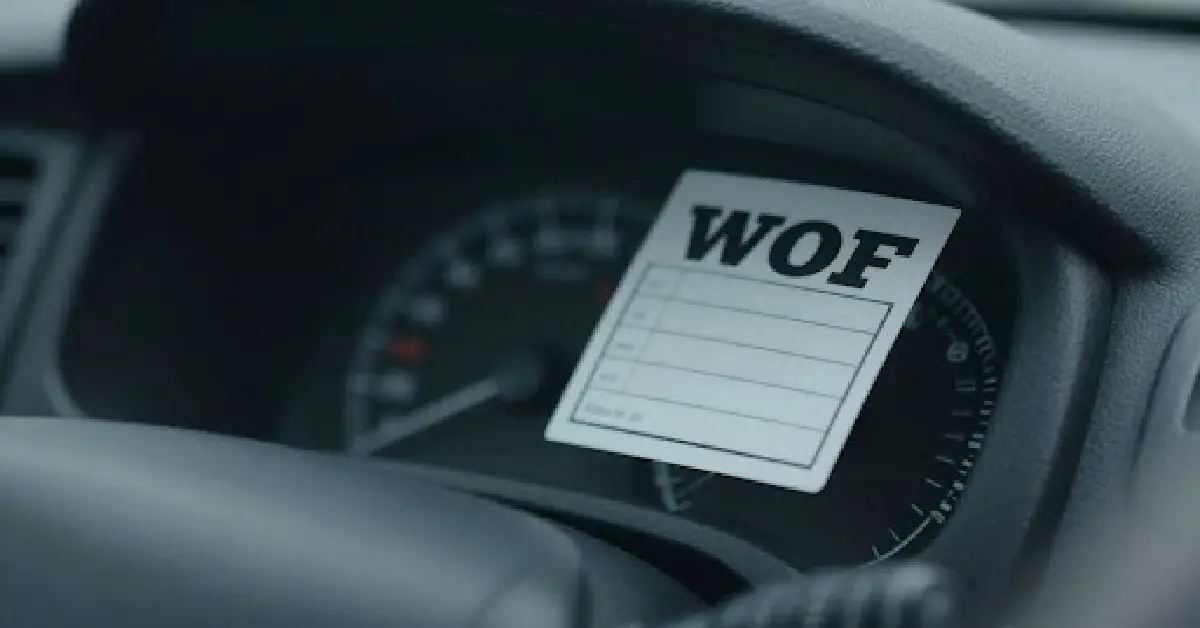
So, you’re wondering about the cost of a Warrant of Fitness (WOF) in New Zealand? It’s a question many drivers have, and understanding how much is a WOF NZ is and what’s involved can help you budget and keep your vehicle safe. Let’s break down what you can expect to pay and what you actually get for your money.
So, you’re driving around New Zealand, and you see that little sticker on your windscreen. That’s your Warrant of Fitness, or WOF as everyone calls it. Think of it as a safety check-up for your car, making sure it’s up to snuff for hitting the roads. It’s a legal requirement, plain and simple. Driving without a current WOF means you could be looking at a hefty fine, and nobody wants that hassle.
Basically, a WOF inspection looks at the important bits that keep you and others safe. This includes things like your brakes, tyres, lights, steering, and even the general condition of your car’s body. It’s not about whether your car looks fancy or has the latest tech; it’s purely about roadworthiness. The government wants to make sure that the vehicles people are driving aren’t going to cause accidents because of some easily fixable safety issue.
Here’s a quick rundown of what the WOF is all about:
The WOF isn’t designed to catch every single tiny flaw. It focuses on the critical safety components. If something is borderline, it might pass this time but be flagged for attention at the next inspection. It’s a snapshot of your vehicle’s safety at a specific point in time.
Getting a WOF is a standard part of owning a vehicle here. It helps keep our roads safer for everyone. You can get your WOF done at a lot of places, from big names like AA and VTNZ to your local mechanic. It’s a good idea to know what’s involved so you’re not caught off guard. You can find more information about in-service certification if you want to dig deeper into the regulations.
The average cost for a WOF inspection in New Zealand in 2026 typically falls between $50 and $70. However, this is just a ballpark figure. Some places might charge a bit less, especially if they have a special deal, while others could be a little more. It really depends on where you go and what’s included.
Here’s a quick look at what you might expect from different types of providers:
It’s worth remembering that the cheapest WOF isn’t always the best deal. Sometimes, a lower price might mean the inspection is less thorough, or you could end up paying more for necessary repairs later if the garage also does the fixing.
Several things can nudge the price up or down:
When you’re budgeting, remember that this price is just for the inspection itself. If your vehicle doesn’t pass, you’ll have to pay for any repairs needed to get it roadworthy, and then likely pay for a re-inspection.
Generally, you’re looking at a range. Big names like VTNZ and AA tend to have set prices, while your local mechanic might be a bit more flexible.
Here’s a rough idea of what you might expect to pay in 2026:
It’s worth noting that the cheapest option isn’t always the best. Sometimes a place might offer a really low WOF price, but if your car needs repairs, they might charge more for those. It’s a bit of a gamble.
When you’re choosing where to get your WOF, think about your car’s condition. If it’s pretty new and you think it’ll pass easily, just shopping around for the best price makes sense. But if you suspect it might need some work, going to a trusted local garage that also does repairs might be more convenient, even if the initial WOF cost is slightly higher. They can sort out any issues right there.
Lots of local mechanics and larger chains offer WOF inspections. You can also find them at dedicated inspection centres like VTNZ or through motoring organisations like the AA. It’s a good idea to ask around or check online reviews to find a place that’s reliable and has fair pricing.
So, you’re wondering what exactly happens during a Warrant of Fitness (WOF) check? It’s basically a safety inspection to make sure your vehicle is up to scratch for driving on New Zealand roads. Think of it as a health check for your car, focusing on the bits that keep you and others safe.
The inspection covers a whole bunch of things, usually over 60 different checks, but they all fall into a few main categories. They’re looking at the big picture stuff – the things that could actually cause a problem if they aren’t working right.
Here’s a breakdown of what they typically look at:
It’s not a full mechanical check, mind you. They aren’t looking for minor oil leaks or checking if your engine is running perfectly. The WOF is strictly about road safety. If something isn’t a safety issue, it won’t be flagged during the inspection.
The whole process usually takes about 30 to 45 minutes. If your car passes, you get your WOF label, and you’re good to go. If it fails, you’ll get a list of what needs fixing.
It’s a bit of a bummer when your car doesn’t pass its Warrant of Fitness on the first go. Honestly, a lot of the time, it comes down to things that could have been spotted with a quick look-over before you even got to the testing station. The most frequent culprits are usually pretty straightforward fixes.
Here are some of the top reasons vehicles don’t make the cut:
It’s worth remembering that a significant number of vehicles fail their WOF simply because of issues that could be easily addressed beforehand. Taking a few minutes to check things like your lights and tyre tread can save you time, money, and the hassle of a re-inspection.
So, you’ve taken your car in for its Warrant of Fitness (WOF) and, uh oh, it didn’t pass. That initial WOF fee suddenly seems like pocket change compared to what might come next. When a vehicle fails, you’ll get a list of all the things that need fixing before it can be deemed roadworthy again. These repair costs can really add up, depending on what’s wrong.
It’s not uncommon for a failed WOF to mean you’re looking at anywhere from a couple of hundred dollars to well over a thousand, especially if it’s something major like suspension or brake components. For example, replacing worn brake pads and rotors can easily set you back a few hundred dollars, while a full suspension overhaul could be significantly more.
Here’s a general idea of what some common repairs might cost:
It’s really important to remember that you don’t have to get the repairs done at the same place that did your WOF inspection. If you think the quote seems high, or you just want to shop around, you’re free to take your vehicle elsewhere for the repairs. Getting a second opinion or a quote from another trusted mechanic can sometimes save you a good chunk of money.
If your car fails, you usually have 28 days to get the necessary repairs done and then go back for a re-inspection. Often, the re-inspection at the same place is free or very low cost, which is a nice little bonus. But if you miss that 28-day window or decide to go to a different garage for the re-check, you’ll likely have to pay for a whole new WOF.
So, you’ve got your WOF sorted, or maybe you’re just getting ready for it. It’s good to know how often you actually need to get this done. For vehicles that were first registered on or after January 1st, 2000, you’ll need an annual WOF once the vehicle hits three years old. If your car is older, first registered before January 1st, 2000, it’s a WOF every six months. New cars, under three years old, don’t need one yet, but they do need to have their current licence displayed.
Getting your WOF done regularly is super important for keeping your car safe on the road. It’s not just a bureaucratic hoop to jump through; it’s about making sure your vehicle is actually roadworthy.
Here are some common things that cause vehicles to fail, and what you can do about them before your appointment:
Doing a quick check yourself before heading to the testing station can save you a lot of hassle and money. You’d be surprised how many things can be fixed with a simple bulb replacement or a bit of air in the tyres. It’s way better than paying for a re-inspection.
If you’re worried about your car’s condition, consider getting a pre-WOF check. Some places offer these for a small fee, and they can help you identify potential problems before the official inspection. It’s often cheaper than failing and having to go back. Remember, you can always shop around for WOF prices if you think your car is in good shape and you just need the inspection done. If you suspect you might need repairs, it might be worth talking to a trusted local garage first to get a quote.
Wondering how often your car needs a WOF check? Or maybe you’re looking for some easy tips to make sure you pass the inspection the first time around? We’ve got you covered. For all the details and helpful advice, be sure to visit our website today!
The price for a WOF can change depending on where you go. Generally, you can expect to pay somewhere between $45 and $65. Big places like VTNZ might charge around $54, while AA could be about $59. Sometimes, local garages might be a bit cheaper or more expensive.
A WOF inspector checks over 60 different things on your car! They look at the car’s structure, tyres and wheels, brakes, lights, and visibility (like your windscreen and wipers). They want to make sure all the key safety parts are working correctly.
Many cars fail their WOF because of simple things. The most common reasons are lights not working (like a burned-out bulb), worn-out tyres with not enough tread, brake problems, damage to the windscreen that blocks your view, and issues with the suspension. Sometimes, a leaky exhaust can also cause a fail.
If your car doesn’t pass, you’ll get a list of what needs to be fixed. You usually have 28 days to get these repairs done and bring your car back for another check. Often, the re-inspection is free or costs very little if you go back to the same place. However, if your car fails on really important safety items, you might not be able to legally drive it until it’s fixed.
No, you definitely can’t drive your car if its WOF has expired. Doing so can get you a $200 fine. Plus, if you get into an accident with an expired WOF, your insurance company might not cover the costs, which could be a huge problem.